
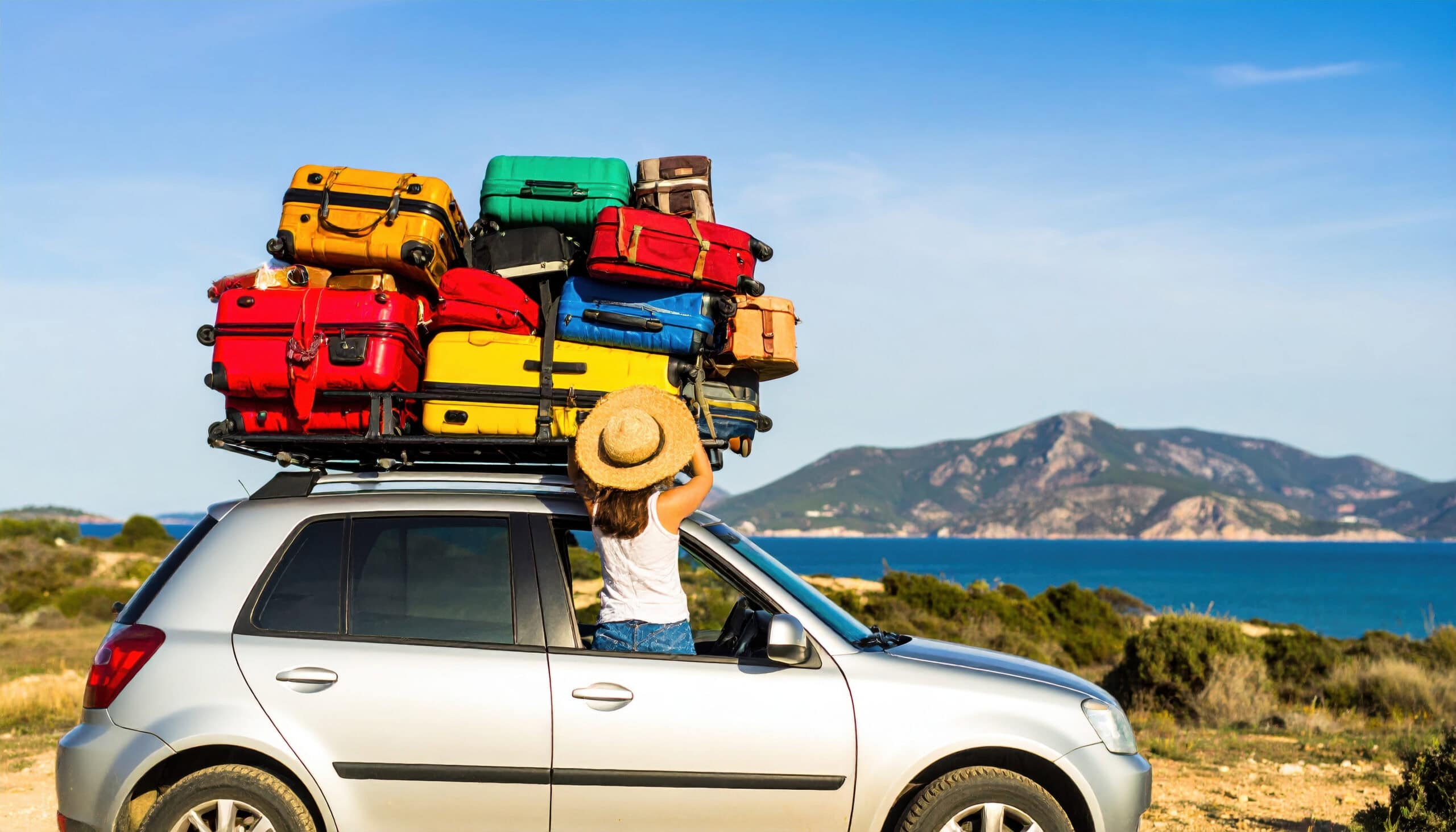
Ultimate Camping Checklist
100+ Essentials for a Stress-Free Trip (2025)
How to Stop Panic-Packing and Start Relaxing.
You know the feeling. You’re 300km from home, the tent is half-up, and you realise… you forgot the mallet. Or the matches. Or, worst of all, the coffee.
We’ve all been there. That’s why we created the Pack & Pitch Ultimate Camping Checklist for Australia & New Zealand.
This isn’t just a random list of stuff. It’s a field-tested, categorised system designed specifically for our rugged conditions. It covers everything from ‘Shelter Essentials’ to the ‘Aussie Scaries’ safety kit (because yes, you need snake bandages).
Download the free printable PDF below, laminate it, and keep it in your glovebox. It’s the peace of mind you need to ensure the only thing you leave behind is your stress.
Get Our Free Ultimate Camping Checklist Here!
How to Pack Like a Pro
Let’s be honest: packing for a camping trip in Australia or New Zealand is an art form. You need to be ready for blistering heat, sudden downpours, and everything in between. That’s why having a reliable Ultimate Camping Checklist is non-negotiable.
But packing doesn’t have to be a game of “Did I forget the gas bottle?” Tetris.
After years of camping across the Tasman, I’ve refined a packing system that covers every base without overloading your suspension. This guide walks you through the Pack & Pitch Ultimate Camping Checklist, explaining exactly why certain items are essential for Aussie and Kiwi conditions.
Trip Essentials – The “Don’t Leave Home Without It” Gear
This section is your survival baseline. If you packed nothing else but this list, you’d be uncomfortable, but you’d survive.
Your tent is your castle. If you are still looking for the perfect shelter, read our review of The 8 Best Family Camping Tents for Australian Summers
- Ground Tarp / Footprint: Never pitch your tent directly on the dirt. A footprint protects the floor from sharp stones (and bindies!) and adds a moisture barrier.
- Hammer vs. Mallet: If you are camping in a holiday park, a rubber mallet is fine. If you are heading out bush or to the Outback, bring a metal lump hammer. Australian ground is notoriously hard, and plastic mallets will bounce right off.
- Repair Kit: A tear in your fly screen isn’t just annoying; in sandfly country (looking at you, West Coast NZ), it’s a trip-ender. Ensure your kit has tear-aid patches and a spare pole sleeve.
Lighting the Way Don’t rely on a single lantern. We recommend a “layered” light approach:
- Headlamps: Essential for hands-free cooking or late-night toilet runs.
- Area Light: A soft lantern for the table (look for “warm white” LEDs to attract fewer bugs).
- Spare Batteries: Cold nights drain batteries faster than you think.
Power station → Power station guide
Once you’ve packed the car, make sure you know how to set it all up. Check out our guide on The 7-Zone Campsite Setup System to organise your gear like a pro.
Cooking & Food – The “Chuck Box” Method
The smartest campers don’t raid their home kitchen every trip. They build a “Chuck Box” a dedicated plastic tub that stays packed with all your cooking gear.
The Stove Debate
- Gas Stove: The standard for most. Ensure you check your gas canisters before you leave, shaking them to “guess” how much is left is a recipe for a cold dinner.
- Cast Iron: If you have the space, a cast iron camp oven is the king of campfire cooking. It doubles as a pot, a frying pan, and an oven for damper.
Camping stove → Best stoves reviewed | Coffee maker → Our coffee maker picks
Water Hygiene In New Zealand and parts of Australia, water might look crystal clear, but Giardia is real.
- Jerry Cans: Always carry at least 20L of fresh water more than you think you need.
- Purification: If you are drinking from creeks, a simple boil isn’t always efficient. We recommend a filter bottle or purification tablets as a backup in your kit.
Pro Tip: Freeze your 2L water bottles before you leave. They act as “super ice” in your cooler for the first 2 days, and then you have cold drinking water as they melt.
Keeping food fresh is critical. If you are tired of soggy ice in an esky, it might be time to upgrade. See our guide to the Best Camping Fridges in Australia.
Sleep Systems – Conquering the Cold
New campers often blame their sleeping bag when they wake up cold, but the culprit is usually the ground.
The Golden Rule, R-Value The ground sucks body heat 60x faster than air. You need a sleeping mat with a high R-Value (Insulation rating).
- Summer Camping: R-Value of 1-2 is fine.
- NZ or Desert Winter: You need an R-Value of 4+.
- Stretchers: These are great for keeping you off the uneven ground, but remember, air circulates under you, which can be freezing. Always put a foam mat on top of your stretcher.
Sleeping bags → Sleeping bag buying guide
Clothing – The 4-Season Layering Strategy
“Cotton kills” is the old hiker’s saying. When cotton gets wet (from rain or sweat), it stays wet and makes you cold.
The Merino Advantage For both Australia and New Zealand, Merino wool is the superior fabric.
- It breathes: Keeps you cool in the heat.
- It warms: Insulates even when wet.
- It doesn’t stink: You can wear a merino tee for 3 days without smelling like a swamp creature (crucial for long trips!).
The “Just in Case” Bag Even in summer, pack a beanie and a puffer jacket. The Australian desert can drop to 0°C at night, and NZ weather can turn in minutes.
Toiletries & The “Leave No Trace” Ethos
We all love pristine campsites, so let’s keep them that way.
- Biodegradable Soap: Never use regular dish soap or shampoo in or near a waterway. The phosphates cause algae blooms. Even with biodegradable soap, wash at least 50m away from the creek.
- The Trowel: If you are freedom camping without a toilet, you need to dig a hole at least 20cm deep. Don’t be “that guy” who leaves mess behind.
Health & Safety – The “Aussie Scaries”
This is the section that separates the tourists from the locals. Our wildlife is beautiful, but it demands respect.
The Snake Bite Kit A standard supermarket first aid kit is not enough. You need a dedicated Snake Bite module containing:
- Heavy Crepe Bandages: At least two.
- Pressure Indicators: These bandages show you exactly how tight to wrap (it needs to be tighter than you think).
- Marker Pen: To mark the bite site on the outside of the bandage.
First aid kit → What to include
Sandflies & Mozzies
- Australia: A standard DEET repellent works well for mosquitoes.
- New Zealand: The sandflies on the West Coast laugh at standard spray. Look for a repellent specifically designed for sandflies (often with higher DEET or Picaridin content) and consider a head net if you are venturing into Fiordland.
Insect repellent → Best repellents
Vehicle & Recovery – Getting Home Safely
You don’t need a monster truck to go camping, but you do need to be self-reliant.
- Tyre Gauge & Compressor: The easiest way to avoid a puncture on a gravel road is to lower your tyre pressures. But you can’t do that if you can’t pump them back up when you hit the highway.
- Jumper Leads: If you run your car stereo or charge phones from the cigarette lighter, you risk a flat battery. Jumper leads (or a portable lithium jump starter) are non-negotiable.
Ready to Pack using your new Camping Checklist?
Camping is about escaping the daily grind, not adding to it. By using a structured camping checklist, you remove the mental load of “remembering” and switch to a simple process of “checking.”
If you’re planning on going to a National Park make sure you have your National parks pass → Fee guide or risk being fined.
Don’t forget to download the free PDF above. Whether you are heading to the Outback or the Southern Alps, this camping checklist for Australia and New Zealand is the only tool you need to ensure the only thing you leave behind is your stress.
Ready to Go?
Now you’ve got your gear sorted, find the perfect campsite:
→ Browse our Directory of AU & NZ Campsites
We’ve got free camps, holiday parks, national parks, and everything in between.
Latest Posts
- Solo Camping Australia: The Ultimate “No-Fail” Safety & Gear Manifesto
 Let’s skip the fluff: Solo camping in the Australian bush isn’t a “soul-searching” montage, it’s a high-stakes logistics exercise. When you’re three hours from the nearest bitumen and you’ve got no one to spot you while you’re reversing or to hand you a bandage, your margin for error is zero. Don’t skip the admin. Solo…
 - Best Camping in NSW 13 Campgrounds Worth the Drive (2026)
 New South Wales has more than 800 campgrounds scattered between the Snowy Mountains and the Queensland border. Choosing the right one usually involves opening 50 tabs of NPWS pages and trying to decipher conflicting Google reviews. I’ve done the legwork (and the driving) to narrow it down. These 13 campgrounds are the ones I keep…
 - How to Keep a Tent Cool: A Dad’s Guide to Surviving the Australian Summer
 There is a specific kind of misery reserved for Australian campers in January. It happens at exactly 6:43 AM. The sun hits the polyester wall of your tent, and within four minutes, your shelter transforms from a cosy bedroom into a microwave. You wake up sweating, sticky, and gasping for air, while the kids are…
 - Best Camp Chairs Australia (2026) The “No-Slouch” Gear Review
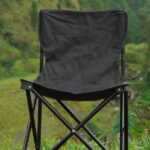 A bad camp chair is a slow-motion disaster for your back. We’ve all been there. You spend $20 on a generic chair from the servo, and by day two, you’re sitting at a 45-degree angle with your knees around your ears. After a long day of wrangling kids or hiking the trails, the last thing…
 - Camping with Kids in Australia: The Complete Family Guide (2026)
 Everything you need to know about camping with kids in Australia. Gear picks, safety tips, meal ideas, and the best family-friendly campgrounds by state.